
Cincinnati Nature Center: Bobcats in Ohio
By Kira Tackett
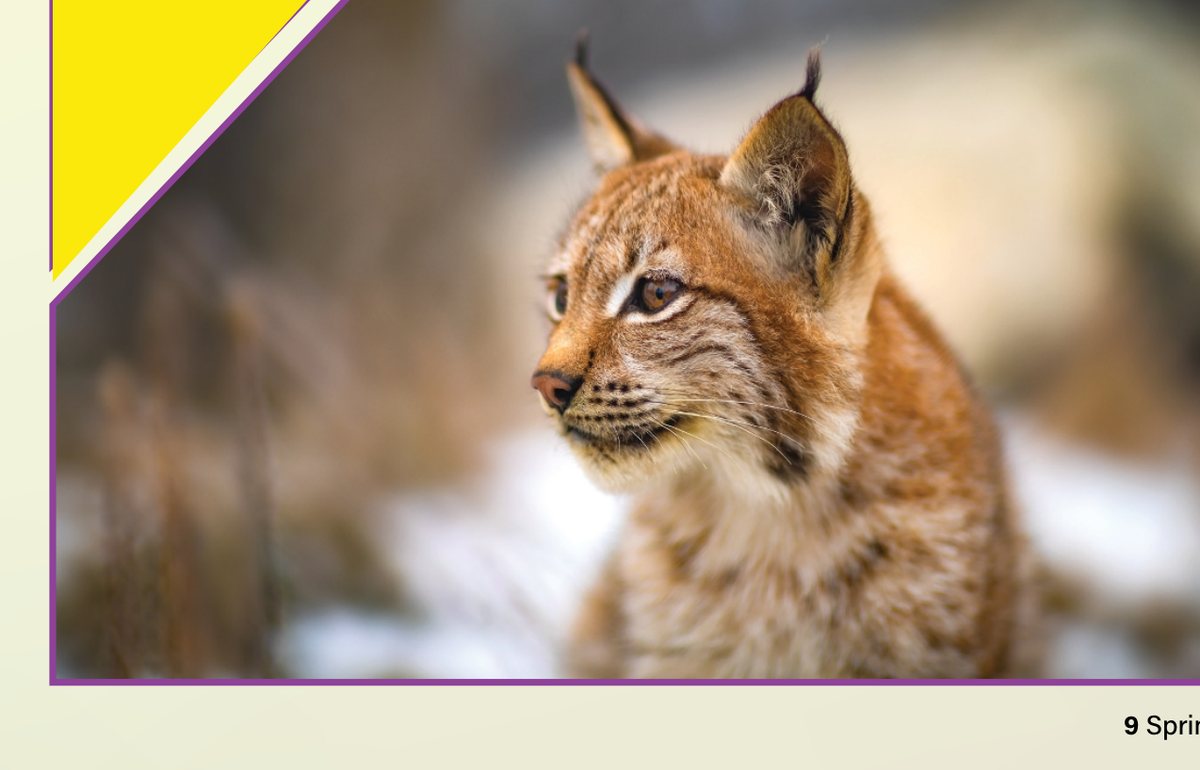
Meet the shadow of the North American wilds: the Bobcat (Lynx rufus). Distinguished by its namesake ‘bobbed’ tail and elegant ear tufts, these cats are about twice the size of a domestic cat, typically weighing between 9 and 40 pounds. Masters of adaptation, they thrive in forests, wetlands, and even the edges of suburban areas, using dense cover to hunt rabbits, rodents, birds and occasionally, a weakened deer. They are also mostly solitary and crepuscular, meaning they are most active at dawn and dusk…one of the reasons you’re far more likely to miss a bobcat than ever see one!
Here’s the exciting part: bobcats are making a comeback in Ohio. Once driven to the brink of disappearance by the twin pressures of hunting and habitat loss, bobcats are now slowly reclaiming their range. The Ohio Department of Natural Resources reports that bobcat sightings began rising steadily in the early 2000s, and from 1970 to 2021 there were 4,159 confirmed sightings in the state. More recent summaries note that Ohio has recorded more than 500 confirmed sightings annually since 2019. As mesopredators, meaning they occupy a mid-level position in the food chain, bobcats help regulate prey populations. This natural population control prevents overgrazing and reduces the spread of diseases among prey species. Their predation also contributes to what ecologists call a trophic cascade, which is a process where predators indirectly influence vegetation and ecosystem structure. For example: by keeping rabbit and rodent populations in check, bobcats help protect young trees and understory plants which in turn, promotes healthier forests and more diverse habitats.
One of the groups helping people understand this importance is the Cincinnati Nature Center. The Nature Center spans over 1,600 acres of forests, streams, and trails, serving as both a wildlife sanctuary and an educational hub. Programs hosted here are designed to connect people with local wildlife through hands-on learning, guided hikes, and expert-led discussions featuring Shauna Weyrauch, a Senior Lecturer at The Ohio State University Newark and co-founder of Project Wild Coshocton. A research effort that has used trail cameras since 2015 to document bobcats in east-central Ohio, Project Wild Coshocton itself has expanded camera-trapping work in counties such as Coshocton, Holmes, Licking, and Knox, and has also experimented with artificial den sites to learn what bobcats need to settle and reproduce. Such educational events, including wildlife-focused programs like the bobcat-themed sessions referenced, help visitors understand how animals like bobcats now coexist with humans, emphasizing:
- How to identify bobcat tracks and signs
- The ecological role of predators
- How habitat conservation supports wildlife recovery
- Practical ways humans can coexist with native species
The Nature Center’s mission is simple: rooted in passion to inspire a love for the wild through the power of experience. The bobcat’s return serves as a brilliant reminder that conservation works. Though you may never cross paths with one of these elusive cats, their presence in our woods is a victory in itself. It is a sure sign that Ohio’s natural world is healing, finding its way back to a balance that hasn’t been felt in generations.
Enjoying NatiPets?
Read the latest issue of Greater Cincinnati's pet magazine, free, or share your own pet's story with our community.